

Russian Shahed Drone Explodes in Poland: Officials (finally) Admit “Provocation” – Update
Poland’s government calls it a “provocation.” Experts call it something darker: a deliberate act of information warfare designed to sow chaos, test NATO’s frontline, and expose Warsaw’s weakness.

In the early hours of Wednesday, a powerful explosion shook the village of Osiny in eastern Poland, leaving locals terrified, homes damaged, and Polish authorities scrambling for explanations. The official version shifted by the hour: first, it was “an engine part with a propeller,” then “possibly a smuggler’s drone,” and finally — after prosecutors arrived on the scene — the truth could no longer be hidden: a Russian military drone had crashed deep inside Polish territory.
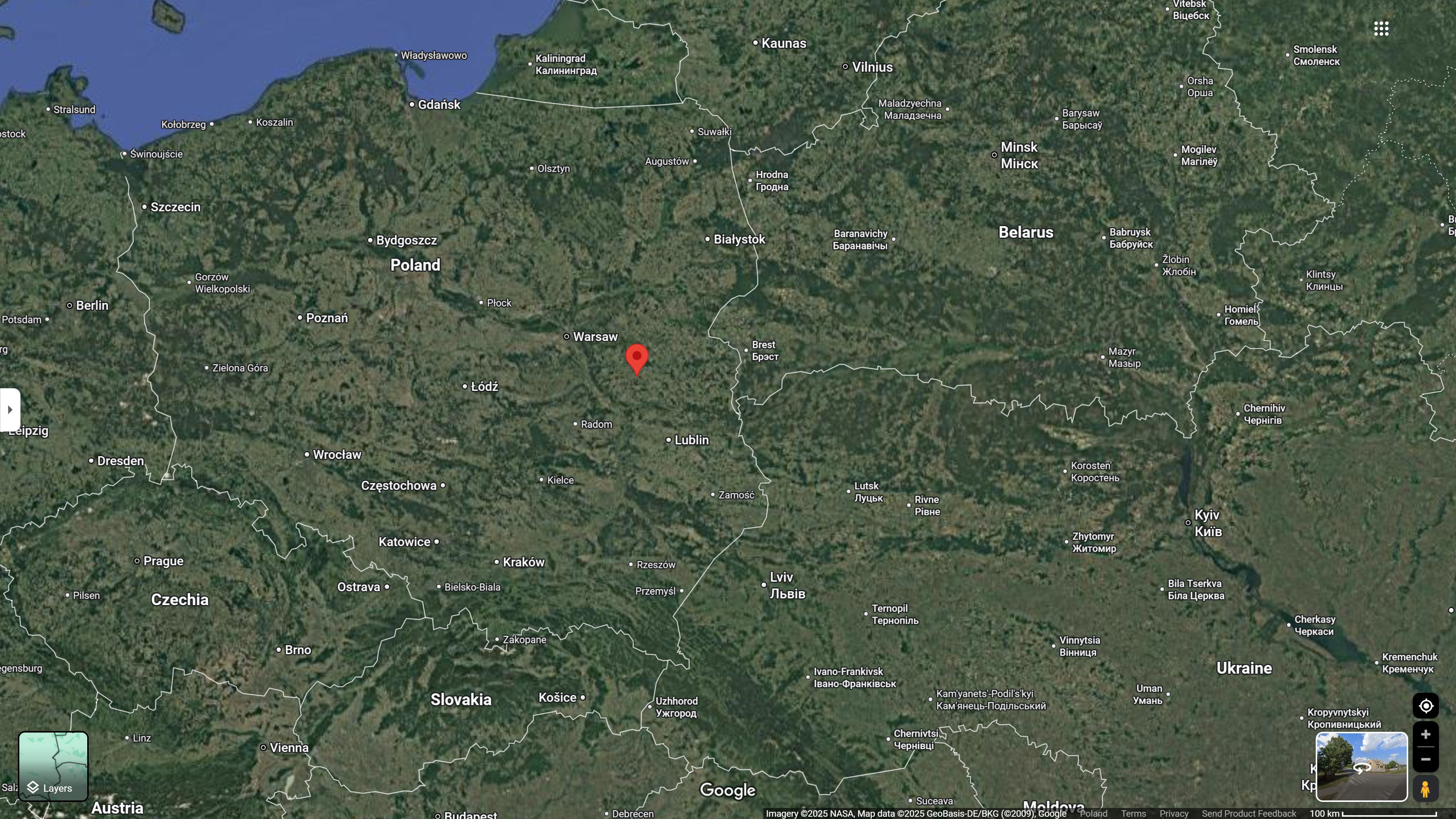
This is not just another accident of geography. Osiny lies only about 100 kilometers from the borders of Belarus and Ukraine, but far more importantly, just 27 kilometers from the Polish Air Force Academy in Dęblin — one of the country’s most strategic defense institutions — and directly on the main corridor through which Western weapons and aid flow into Ukraine. As Michał Rachoń, co-creator of this blog, noted in his analysis on X.com, this is Poland’s lifeline corridor. Striking here, even “accidentally,” sends a clear message from Moscow.
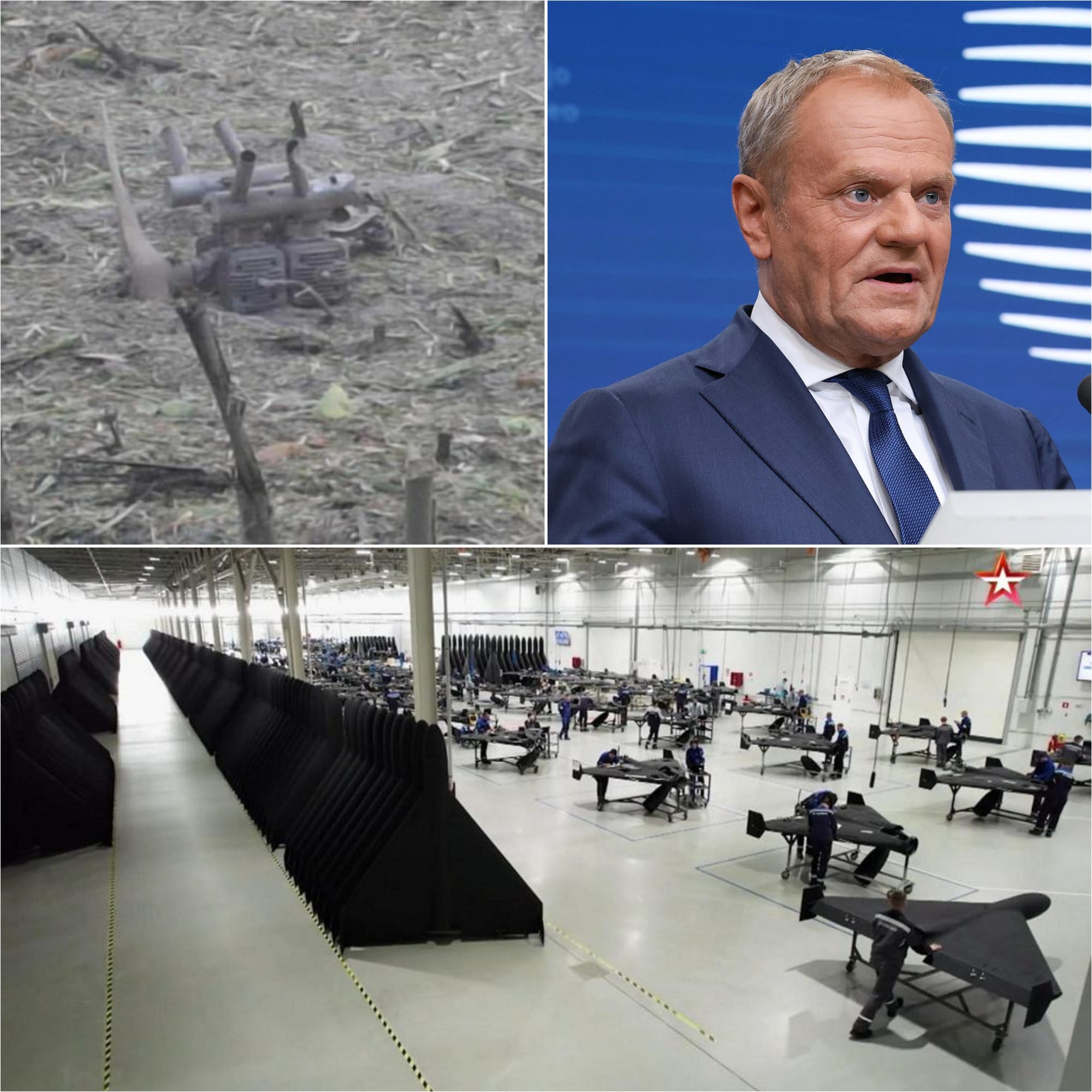
The timing, too, is no coincidence. The incident comes just days before President Karol Nawrocki’s visit to Washington for key security talks, and at a moment when U.S. President Donald Trump is pressing Moscow to end its aggression. The war criminal in the Kremlin knows exactly what he is doing: probing, testing, intimidating.
Video showing the probable moment of a drone’s detonation after its crash in the vicinity of the village of Osiny near Łuków (Lublin Voivodeship).
Yet what is most shocking is not the drone itself, but the chaos, confusion, and incompetence of Poland’s own government in the aftermath. Residents reported hearing the blast before midnight, some calling the police just before midnight, with time stamps on local recordings confirming it. Yet the police insist their first call came around 2 a.m. The Ministry of Defense, led by Władysław Kosiniak-Kamysz, tried to brush it off with fairy tales about smugglers’ toys or rusty spare parts. The Operational Command declared no violation of Polish airspace had been detected, even though video evidence clearly showed a fast-moving object before impact. Only hours later, when prosecutors arrived on the scene, was the obvious finally admitted: this was a military drone, destroyed by explosives.

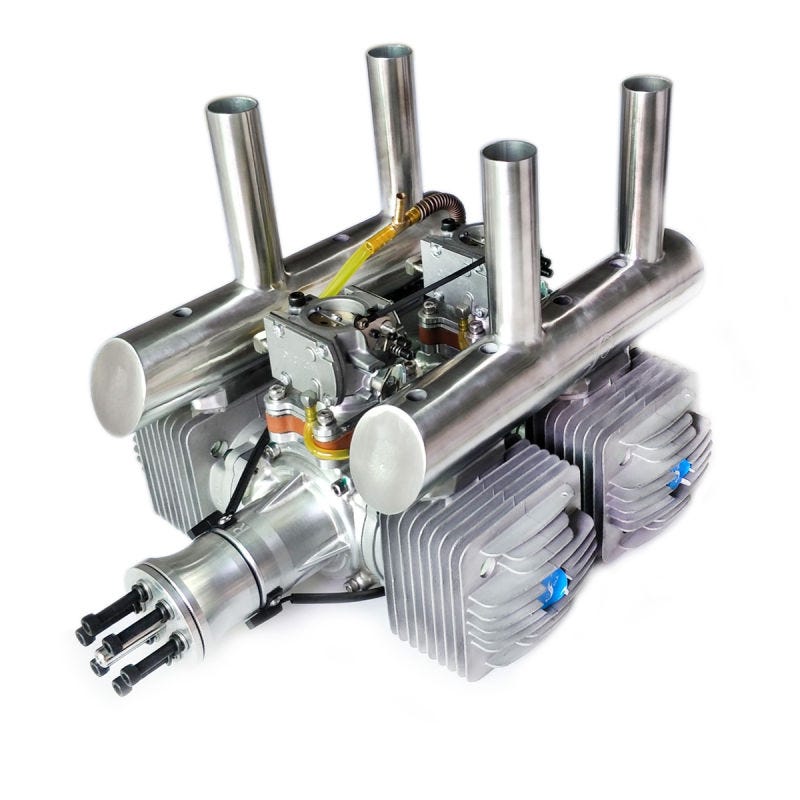
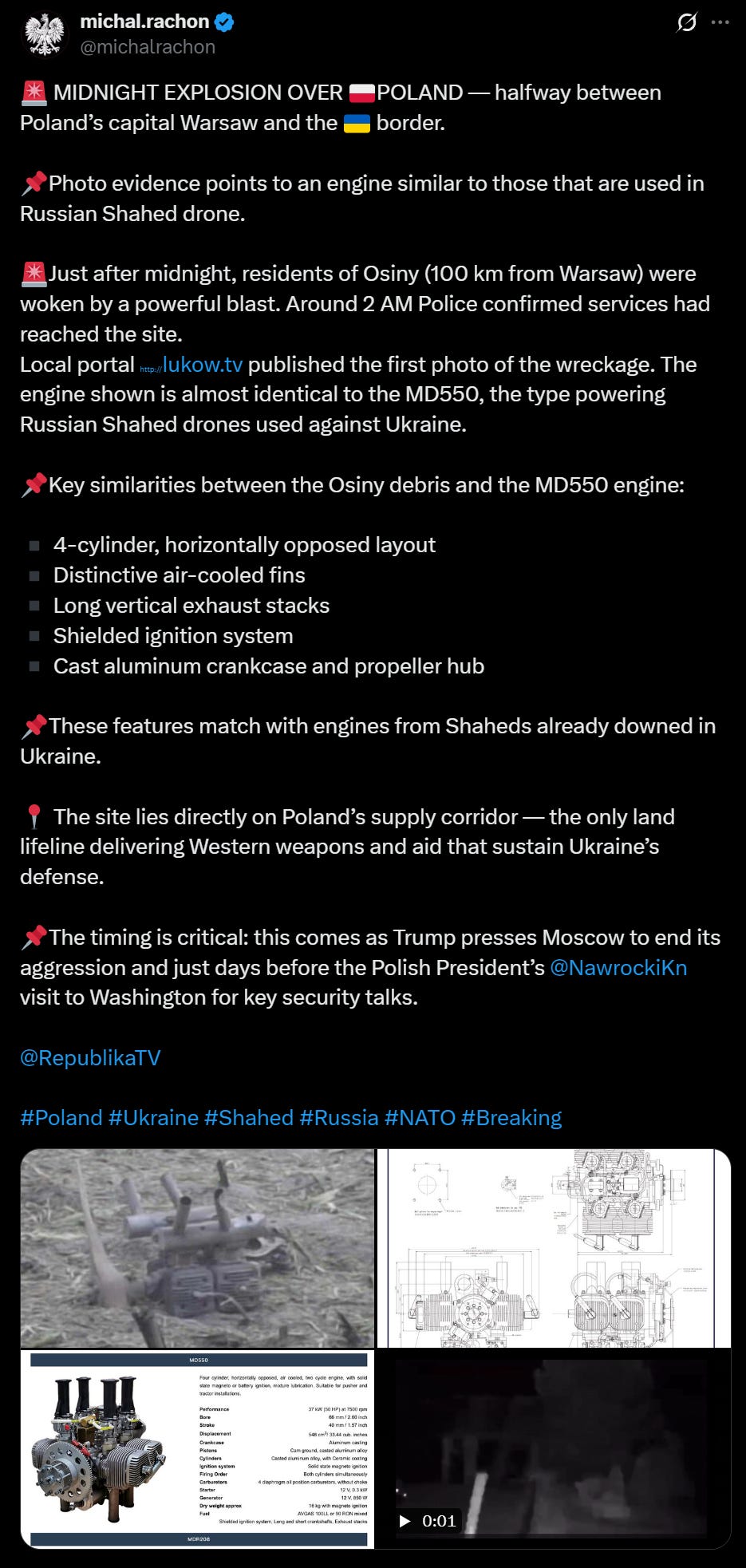
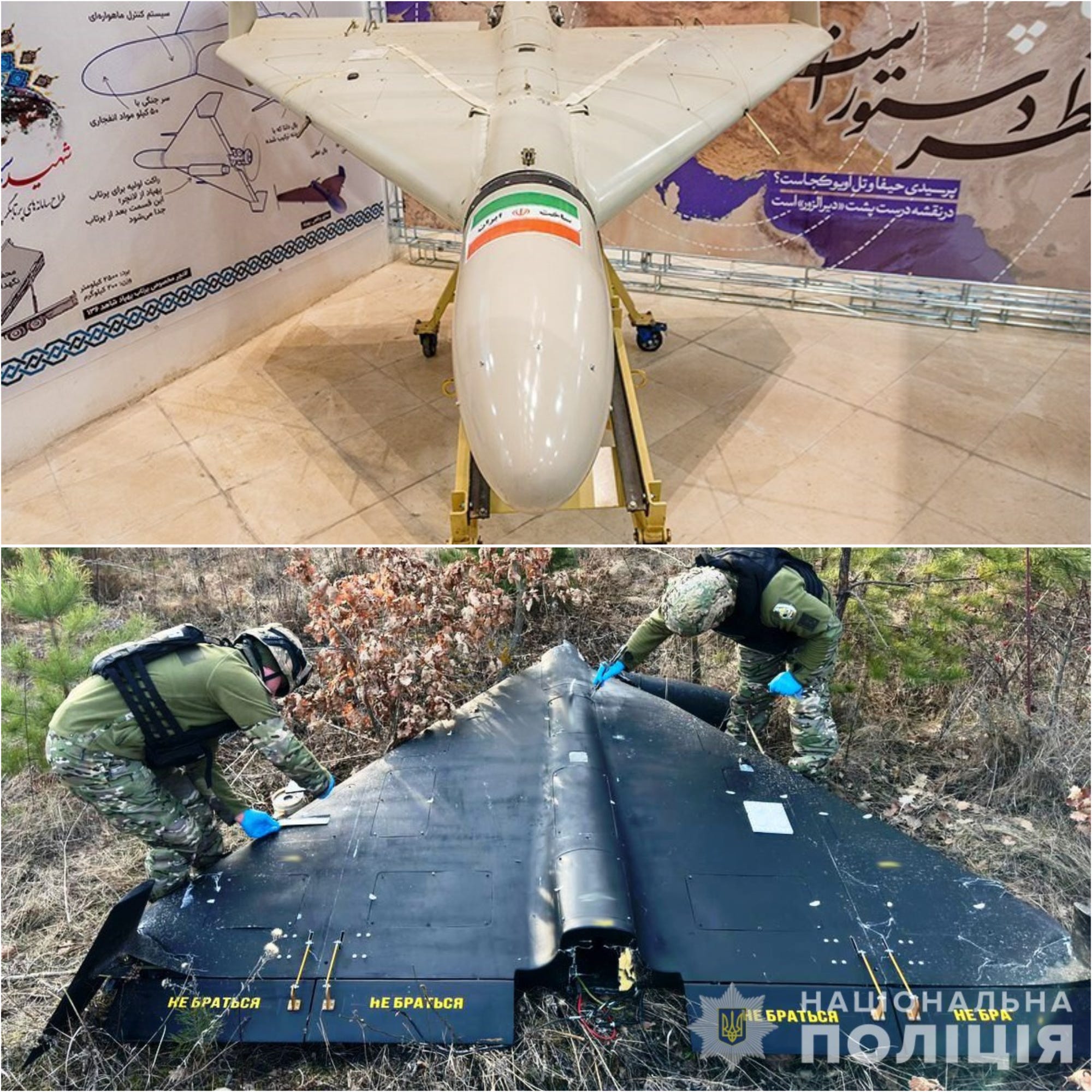
The evidence points to a HESA Shahed-136 — an Iranian-designed drone mass-produced in Russia under the name Geran-2. It is the very same weapon Russia launches in waves against Ukrainian cities. Photos from Osiny show debris strikingly similar to the MD-550 engine used in the Geran-2. Another match would be a DLA360 engine - another dedicated drone engine - which offers roughly the same performance as the MD-550 and could be used in its stead. In other words, Poland was struck by the same machinery of terror raining down daily on Kyiv, Odesa, and Kharkiv.
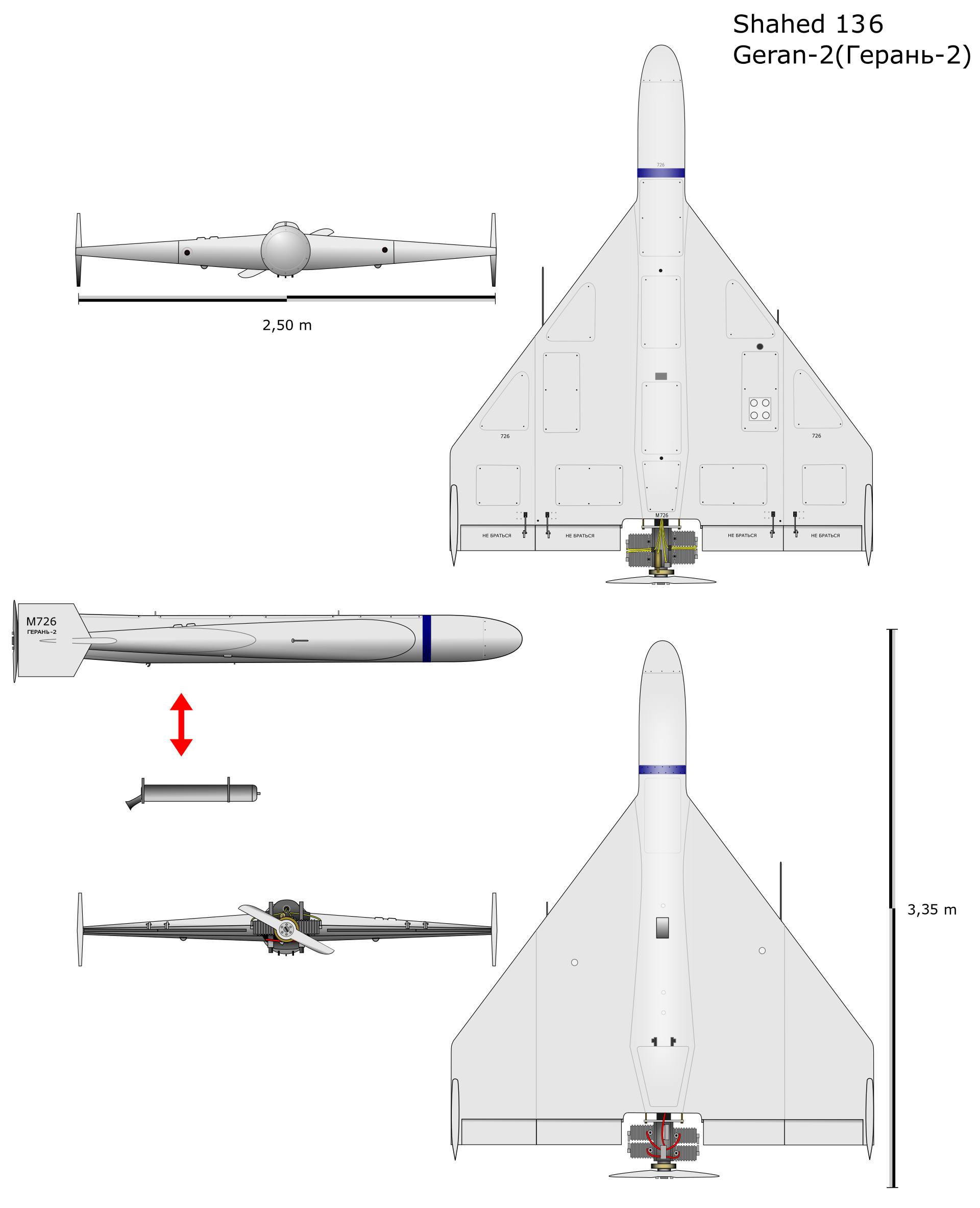
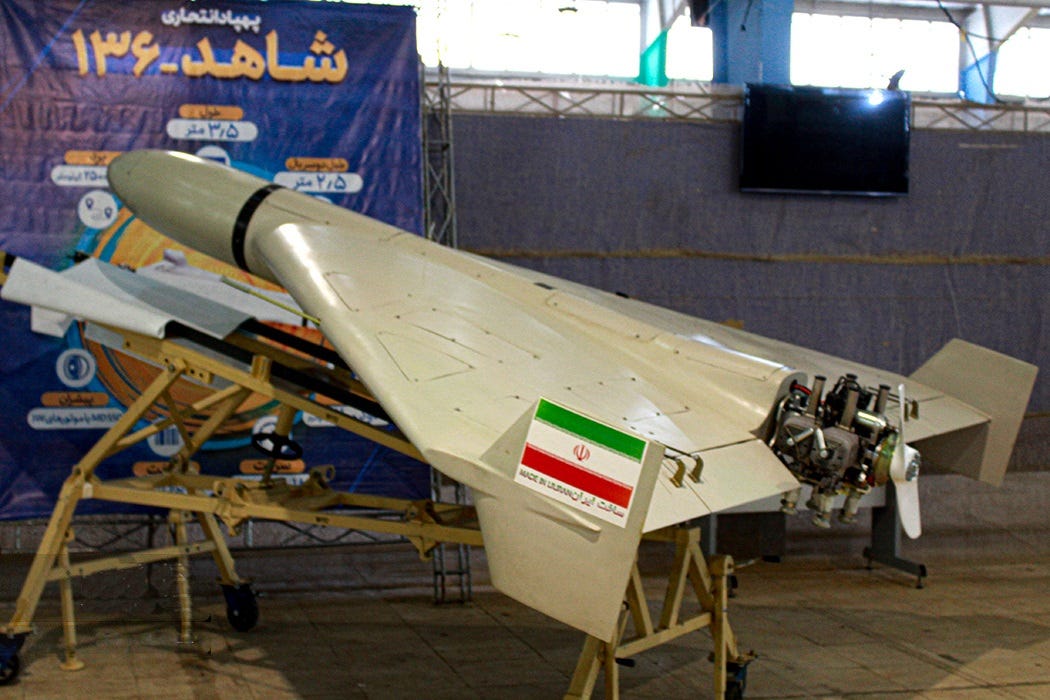
Video shows a Russian Geran-2 drone shot down over Ukraine. This airframe did not detonate and remained in very good condition. Note the similarity between this drone’s engine and the wreckage recovered in Osiny.
As Professor Piotr Grochmalski bluntly told TV Republika, what happened in Osiny is not a minor curiosity but a strategic test. “Russia is conducting reconnaissance of our systems and will continue to do so, seeing the sloppiness and dilettantism of this government,” he warned. The blast site’s proximity to a military academy and to the capital’s supply route underscores the severity. To downplay or obfuscate such an incident is not just dishonest — it is reckless.
Grochmalski’s assessment is devastating: Poland is being probed, its defenses tested, its citizens misled by officials who cannot even provide coherent information in the wake of an explosion. This is not communication, he said, but “disinformation,” and it corrodes public trust at the very moment when unity and clarity are most essential.
The lesson is clear: every time Warsaw denies, deflects, or delays, the Kremlin takes note. Every failure of transparency, every attempt to sweep evidence under the rug, emboldens Moscow to push further. Russia has long disrupted GPS over Poland, sent helicopters across our borders, and hurled Shahed drones at Ukraine. Now a drone falls 27 kilometers from a Polish air base and explodes in a cornfield — and the Tusk government wants us to believe it was just a “smuggler’s gadget”?
No serious state treats such provocations so lightly. A NATO country cannot afford to be run by amateurs who play games with words while the enemy tests our very air defenses. As Grochmalski warned, without a credible deterrent response, this is nothing but an invitation for Russia to strike again.
The explosion in Osiny is a warning shot — not only from Moscow, but also against the negligence of Donald Tusk’s government. If Poland continues to stumble through such crises with evasions and excuses, the consequences will not stop at cracked windows in a farming village.

UPDATE – New Revelations Deepen the Osiny Drone Scandal
Since our initial report, Polish authorities have been forced to confirm details that strip away the last pretenses of “smugglers’ junk” or “accidental debris.”
This afternoon, General Dariusz Malinowski admitted the drone carried a self-destruct warhead, not a conventional payload. In other words, it was a decoy—engineered to evade radar, fly low, and explode once its mission was complete. The Ministry of Defense now acknowledges it was most likely a deliberate Russian provocation, timed to coincide with ongoing talks about Ukraine.
Meanwhile, Poland’s Foreign Ministry has quietly conceded to Reuters that the wreckage is indeed a Russian-made Shahed variant. The very same class of drone Moscow has unleashed on Ukrainian cities was detonated in a Polish cornfield—27 kilometers from a major air base.
Yet perhaps most chilling is the analysis now emerging from Poland’s own security experts. Retired counterintelligence officer Colonel Mariusz Kozłowski warned bluntly: “We are dealing with an open act of information warfare.” He argues this incident may not have been an intrusion at all, but rather a staged act of sabotage designed to create maximum confusion, test Poland’s response systems, and dominate the news cycle. The conflicting statements from officials—first denying, then downplaying, then admitting—played directly into that strategy. As Kozłowski put it, someone is “opening champagne, perhaps on Lubyanka,” watching Poland’s information chaos unfold.
The implications are stark: whether launched across the border or planted inside our territory, the Osiny drone was never just a piece of flying hardware. It was a weapon of hybrid war, meant to probe our defenses and fracture public trust. Each contradictory press conference, each clumsy official denial, only feeds that objective.
This is no longer about a single drone. It is about whether Poland, as a NATO frontline state, can withstand a sustained campaign of disinformation, sabotage, and psychological warfare while led by a government more concerned with spin than security.